
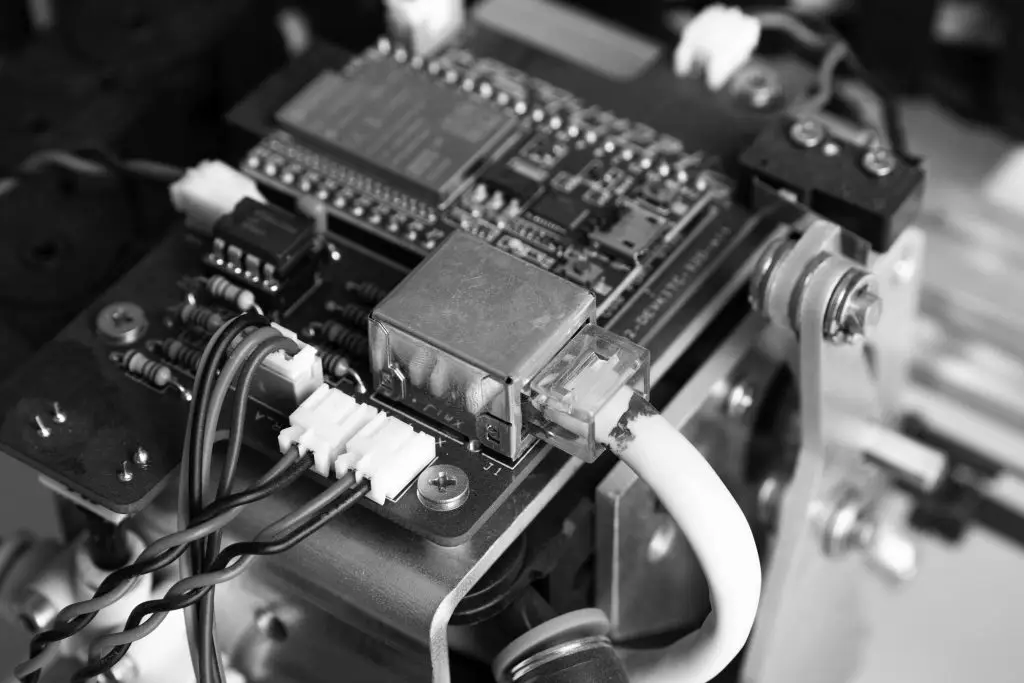
A custom electronics project needs more than a circuit diagram. Before anyone selects a controller or starts industrial PCB design, the team needs to agree on the device’s job, its connections and the conditions in which it must work.
Startek’s Services page describes PCB design, embedded hardware and system integration. Its Embedded Systems work connects field devices, sensors, software and infrastructure. This guide turns those broad capabilities into a practical brief for an industrial electronics project.
Start with the task, not a component list
Describe the action the device must perform in plain language. It might read a field input, identify an event, send a value to an application or control an output. Name the person or system that relies on the result, then describe what happens if the device loses power, a sensor fails or a message never arrives.
These answers set the boundary for custom electronics design. A board that only collects data has a different brief from equipment that drives a motor, controls access or participates in a transaction. The project team should also mark functions that belong in site software or another controller. That prevents a small device from quietly becoming responsible for an entire workflow.
Map every connection the device needs
List the actual equipment at each end of the proposed connection. For every input and output, record its purpose, connector or terminal arrangement, signal type, data format and expected response time. If an existing machine is involved, include its model, available documentation and present configuration. A product name alone rarely tells a designer enough about the usable interface.
- Field signals: identify sensors, switches, indicators, actuators and their normal and fault states.
- Communications: record physical ports, network ownership, message formats and how either end handles a lost connection.
- Power: confirm the available supply, connector, interruptions and any required recovery behaviour.
- Software: define the data another system needs, where it goes and who can change its configuration.
Startek’s published embedded-systems scope includes sensors, cameras, weighing indicators, controllers, industrial networking and software connectivity. Those are examples of integration work, not a promise that any particular device or protocol is already supported. The exact interface still needs checking against the equipment on site.
Describe the physical installation
A useful hardware brief includes photos and dimensions of the proposed mounting space. Record the enclosure, cable entry, access for servicing and exposure to heat, moisture, dust or vibration. Tell the designer whether technicians can reach the device during normal operation and whether site staff need to see an indicator or operate a control.
The installation affects connector placement, board size and service access. It can also change how the team plans tests. A bench prototype may prove the logic while leaving cable routing, power quality and enclosure fit unresolved. Keep those checks visible in the project plan instead of treating the first working prototype as a finished field device.
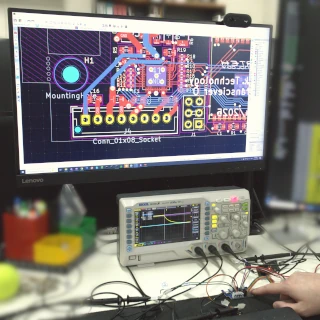
Decide how firmware and software will work together
Embedded hardware often exchanges information with an application, dashboard or database. Define the messages before development begins: which values should be sent, what each value means, when it becomes valid and what the receiving system should do when a reading is missing. Agree on who maintains device settings and how the support team will identify its installed firmware version.
The brief should cover restart behaviour, local fault indication and the records needed for diagnosis. Decide which actions must continue if the network is unavailable and which must wait for a response from another system. Startek’s Application Development service covers operational software, system integration, dashboards and reporting; the required behaviour still depends on the project’s approved data and workflow.
Test the whole device, then test the installation
Write acceptance checks against the task and interfaces described in the brief. Bench tests can cover input ranges, output states, message handling, power interruption and restart. An installation check should then cover the real supply, connected equipment, enclosure, communications path and the staff procedure for a fault. Record the result of each check and who approves it.
Startek describes a review, design, build, test and support process for embedded systems. For a new device, those stages help separate a working circuit from a system that operators and maintainers can use on site. The Projects page shows integrated electronics among Startek’s work, including a PowerLog energy-monitoring project and a vending-machine platform. It does not publish the circuit details or performance results for those projects.
Bring a short brief to the first discussion
Start with the device’s purpose, the equipment it connects to, photos or drawings of the installation, power information, software data needs and the main fault scenarios. Add the expected quantity and service arrangements if you know them. Mark unknowns openly so the team can decide which need a site inspection, a manual or a prototype test.
For a custom board or embedded hardware project, review Startek’s Embedded Systems work and use the contact page to share the brief. That gives the team enough context to discuss the device, its software connection and the checks needed before deployment.