
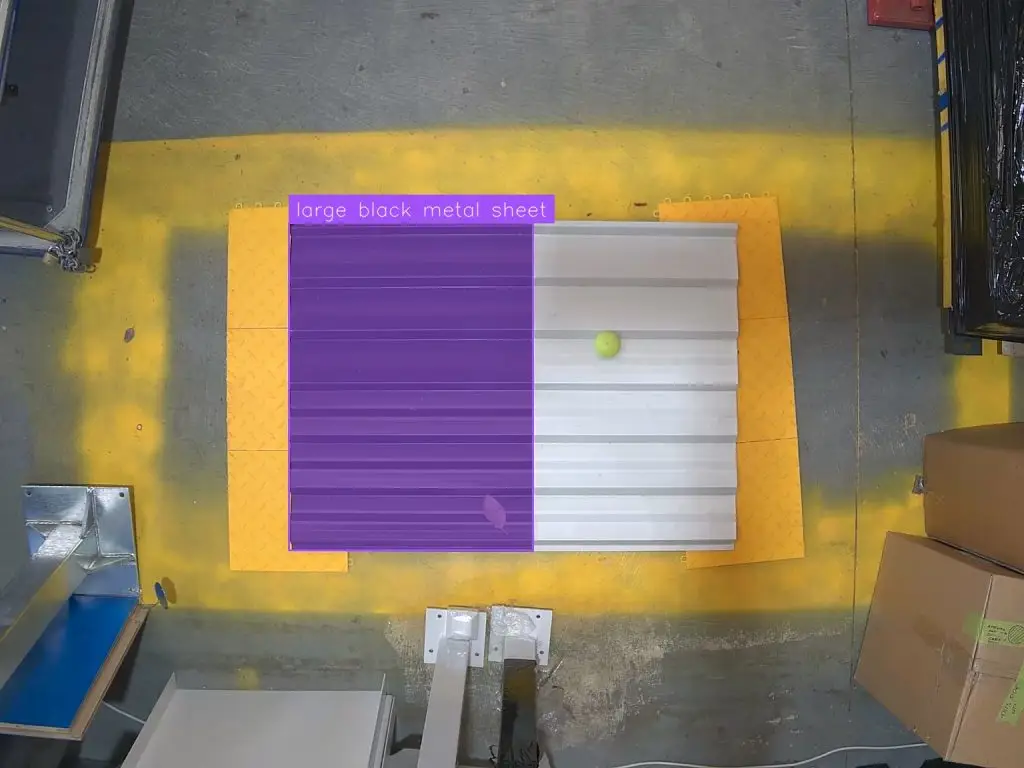
Startek’s project gallery presents a machine vision inspection project for manufacturing that uses AI-assisted image processing and object detection. The public record gives a clear project direction while withholding the customer, inspection target, equipment list and performance results.
This project profile explains the verified scope and the integration work behind an industrial machine vision system. It also separates published facts from the design questions that a project team must answer for each site.
The verified project brief
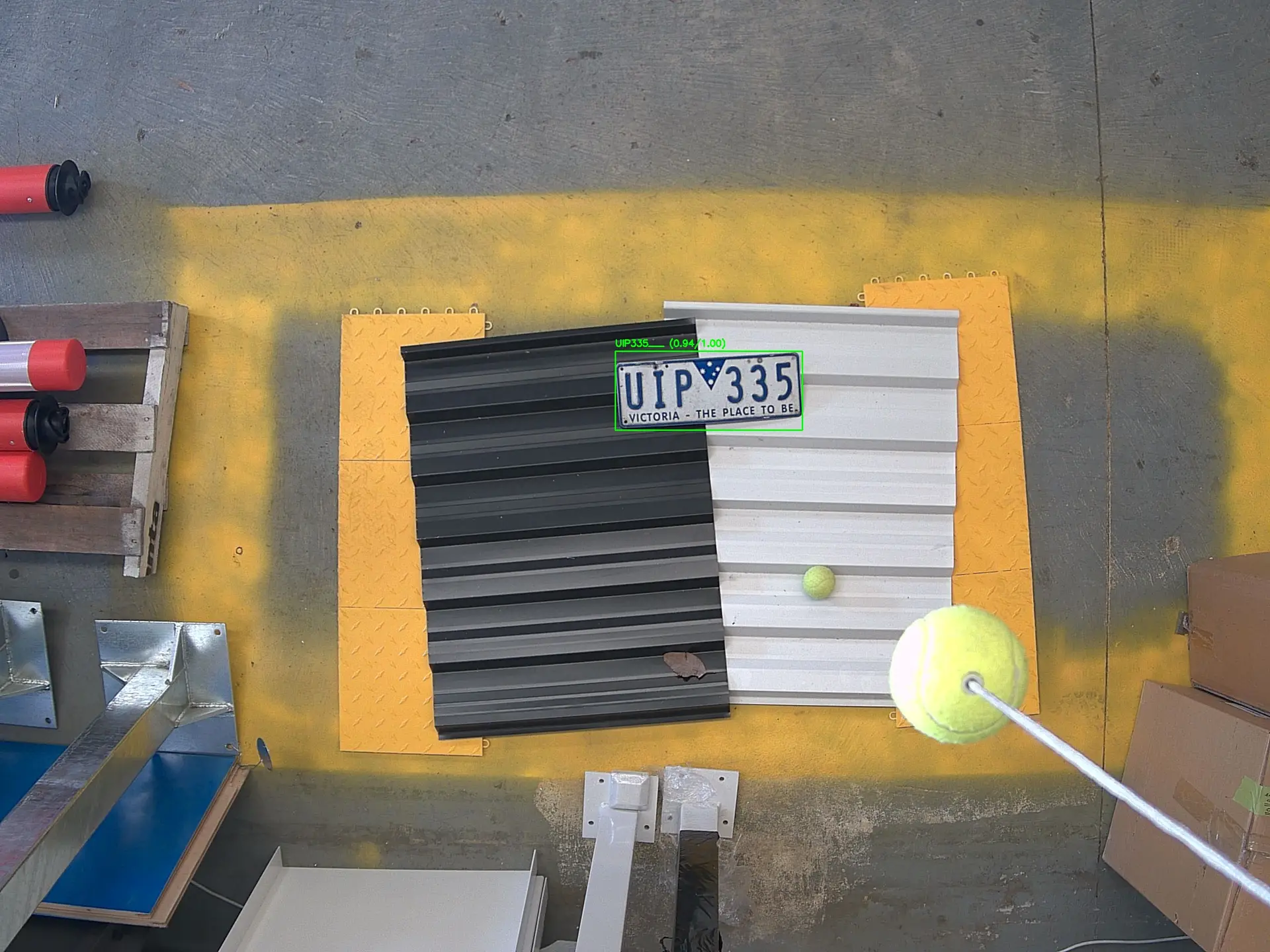
The Startek Projects page identifies the work as “Machine Vision Inspection” in a manufacturing setting. It describes AI-assisted image processing and object detection for industrial automation applications. Startek’s Machine Vision service covers industrial cameras, custom detection algorithms, inspection, tracking, analytics and automated response workflows.
Those published details support the core case-study scope: a camera-based system processes images, detects defined objects and contributes a result to an automation workflow. The public material does not name the inspected product, the customer, the detection model, the production speed or a measured improvement, so this draft makes no claim about them.
From camera feed to automation decision
A useful machine vision inspection workflow has several linked parts. The camera must capture a suitable view of the target. Image processing must prepare that view for analysis. The detection stage must return a result that the surrounding application can use. The controller or software workflow must then record, display or act on that result.
1. Capture
Define the target, camera position, field of view and site conditions that affect the image.
2. Process
Prepare the image and apply the detection method against an agreed inspection task.
3. Decide
Convert the detection result into a clear state that software, operators or controllers can use.
4. Integrate
Connect the result to the required record, alert, control action or review process.
This four-part model describes the planning path for a system of this type. The public project description confirms image processing and object detection, while the final control action for the showcased manufacturing project remains undisclosed.
Define the inspection task before selecting hardware
The project team needs an inspection definition that operators, engineers and software developers interpret in the same way. Start with the object or condition that the system must recognise. Record acceptable variation, examples that should pass, examples that should trigger review and any condition that prevents a valid decision.
The site review should cover camera position, lighting, movement, background changes, access for maintenance and the available network and power infrastructure. It should also identify the point in the process when the system receives an image and the time available for a result. These inputs shape the image-processing and integration design.
Acceptance criteria belong in the same brief. The team should agree on the test image set, the required response for an uncertain result and the person who approves the final inspection behaviour. This gives the commissioning team a defined test rather than an open-ended demonstration.
Connect detection to the wider system
A detection result gains operational value when the surrounding system handles it in a controlled way. Startek’s Embedded Systems & Integration work includes connecting cameras, sensors, controllers, software and infrastructure. Its published process covers equipment and site review, solution design, build and configuration, testing, deployment support and maintenance.
For a machine vision inspection project, the interface record should state the result format, the receiving system, the required action and the fault response. The design must distinguish a valid detection, a valid non-detection and an image that cannot support a decision. Operators also need a defined path for review or recovery when the system reports an uncertain state.
Software may need to present images, store results, send alerts or exchange data with another platform. Startek’s Application Development capability includes workflow automation, dashboards, APIs and AI-powered tools. The chosen functions still depend on the approved requirements for the specific installation.
Commission the complete workflow
Commissioning should test the camera view, image-processing result, software interface and downstream response as one workflow. The test set should include normal examples, expected variation and conditions that challenge image quality. Each result needs a record that the project team can compare with the approved acceptance criteria.
- Confirm the inspection target and the required result states.
- Record camera, lighting, network and controller settings.
- Test valid detections, valid non-detections and uncertain images.
- Check operator messages, data records and downstream actions.
- Document restart, connection-loss and recovery behaviour.
- Keep approved examples and configuration details for support.
The public project material confirms Startek’s use of AI-assisted image processing and object detection in a manufacturing automation context. A project team considering a similar system can use the checklist above to prepare a focused technical discussion without assuming that the published example matches its site.
Review Startek’s project portfolio or share the inspection task, available images and integration requirements through the contact page.