
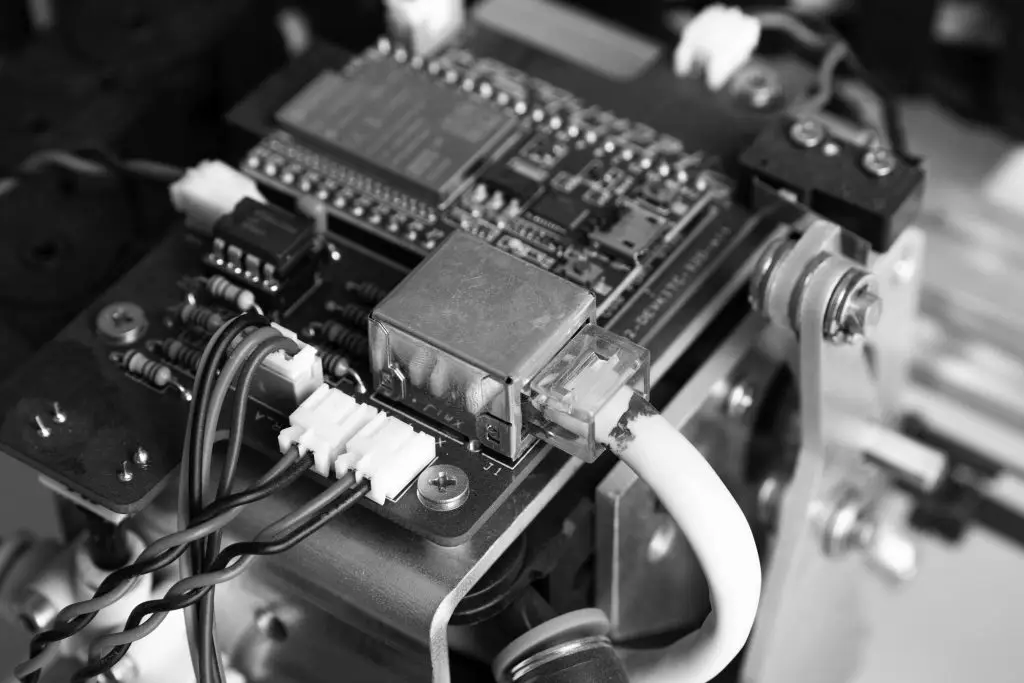
A robotic vending machine must connect product storage, inventory records and controlled dispensing in one dependable workflow. Startek’s published project portfolio includes a gift card vending machine built as a high-capacity automated retail platform for flat-packed products.
The project brief supports a useful case-study question: how should a team turn a compact machine into an automated retail system that staff can load, monitor and support? This profile explains the verified scope and the integration decisions that a similar project would need to settle.
The verified robotic vending machine brief
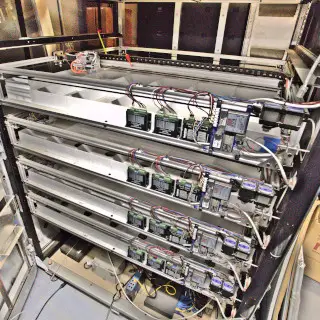
Startek’s Projects page describes the machine as an automated retail solution. The public description states that the platform has high capacity and a compact footprint, and that it can store, manage and dispense thousands of flat-packed products. The project gallery also identifies it as a robotic vending system.
Startek publishes related capability in industrial automation and integrated electronics. Its Embedded Systems service covers custom hardware, controllers, equipment monitoring and the connection of field devices to software. Its application work includes operational software, reporting, account portals and system integration.
Treat each product position as controlled inventory
A custom vending machine needs a stable relationship between the physical product position and the software record. The design team should define how staff identify each position, which product can occupy it and how the system records a load or dispense event. Flat-packed products may share a broad form while differing in artwork, value or stock code, so the inventory model needs an approved identifier.
Physical position
Give each storage position an identifier that service staff can find inside the machine.
Product record
Link the position to the approved product code, description and current state.
Dispense result
Record the requested item, machine response and outcome needed by the operating team.
Staff action
Define how authorised staff load stock, correct records and respond to an exception.
Connect the mechanism, controller and software
The dispensing mechanism needs a defined command and a result that software can interpret. An embedded control system may coordinate motors, position sensing, interlocks and local status while the application manages product selection and operating records. The approved design should assign each responsibility to a specific component.
Interface documentation should name the command format, expected response, timeout and safe response to lost communications. It should also state which component owns the current inventory state. Clear ownership helps support staff distinguish a mechanical obstruction from a controller, network or application fault.
Design exception handling with the main workflow
A successful selection and dispense cycle covers one operating path. Site staff also need a clear response when a product does not move, a position reports an unexpected state or software loses contact with the controller. The system should preserve enough evidence for staff to identify the affected position and decide the next authorised action.
- Prevent duplicate action: define how the controller handles a repeated command after a timeout.
- Protect the stock record: update inventory after the approved confirmation point.
- Guide staff: present a position reference and fault state that match the service procedure.
- Preserve evidence: keep timestamped events for the selection, command, response and staff action.
Plan loading and service access around the machine
The compact footprint affects more than the sales area. Staff still need room to open service panels, load products and reach components named in the maintenance procedure. The project layout should show those clearances and the path staff use to bring stock to the machine.
Access permissions also need a defined owner. The operating team should decide who can change product assignments, place a position out of service and view diagnostic records. If remote support forms part of the approved scope, the design should document account control, connection approval and the information available to support staff.
Commission the complete automated retail system
Workshop testing can check the controller, software and available mechanism before installation. Site acceptance should then test the installed machine with the approved product range and staff procedure. The test set needs successful cycles and controlled fault cases, with each result linked to a requirement.
The team should confirm that position labels match the application, product records remain consistent after each test and staff can identify the correct recovery step. Any payment, account or third-party retail integration also needs its own acceptance criteria if the final scope includes it.
Prepare a custom vending machine enquiry
A useful first brief includes product dimensions, capacity, loading process, user journey, available space, power and network constraints, required operating records and support access. Add photographs or drawings of the proposed location and list any payment, inventory or account software that must connect to the machine.
Startek’s project demonstrates published experience with a compact robotic vending platform for high-capacity flat-product storage and dispensing. Review Startek’s Application Development capability, then use the Contact page to discuss an automated retail or custom machine requirement.