

An industrial automation upgrade can begin with equipment that still performs its main job but no longer fits the wider operation. Operators may rely on manual data transfer, disconnected records or limited fault information. A brownfield project needs a clear plan for what to keep, what to connect and what to replace.
Startek designs automation, software and embedded systems for industrial environments. The team can review field devices, controllers, communications, applications and site infrastructure as parts of one operating system. This approach suits organisations planning an automation retrofit around installed equipment and day-to-day site constraints.
Upgrade the site around the work it must keep doing
Existing sites bring operational constraints. Production equipment, access controls, weighing systems, cameras, indicators, databases and staff procedures may all depend on the current arrangement. The first task is to map those dependencies before selecting new hardware or software. The site owner should also identify the functions that must remain available during the changeover.
Startek’s Services page describes work that modernises existing installations through telemetry, connected monitoring, automation and control systems. Its Embedded Systems & Integration service covers field devices, sensors, cameras, controllers, industrial networking and software connectivity.
Define the industrial automation upgrade
A useful upgrade brief starts with the operational problem. Record the manual step, missing information, unreliable connection or support issue that the project must address. Identify the users and the action they need to take. Then define the equipment and data involved in that action.
Installed equipment
List device models, controllers, interfaces, firmware, power arrangements and current condition.
Operating workflow
Map the people, process steps, records and decisions that depend on the existing system.
Data and controls
Define the values, commands, acknowledgements and fault states that must move between systems.
Site constraints
Record shutdown windows, access, network ownership, environmental conditions and support needs.
This review gives the project team an evidence base for legacy equipment integration. It also identifies assumptions that need a site test or equipment manual before design approval.
Keep serviceable equipment where it fits the requirements
An automation retrofit does not require one decision for the whole site. The team can assess each device against the required interface, data, condition and support path. A serviceable sensor or indicator may remain in place while a controller, communications link or software layer changes around it.
Some equipment may need a suitable gateway or interface board. Other devices may lack the data, documentation or fault behaviour that the new workflow requires. The design record should state why each item stays, changes or needs further testing. That record helps maintenance staff understand the finished system.
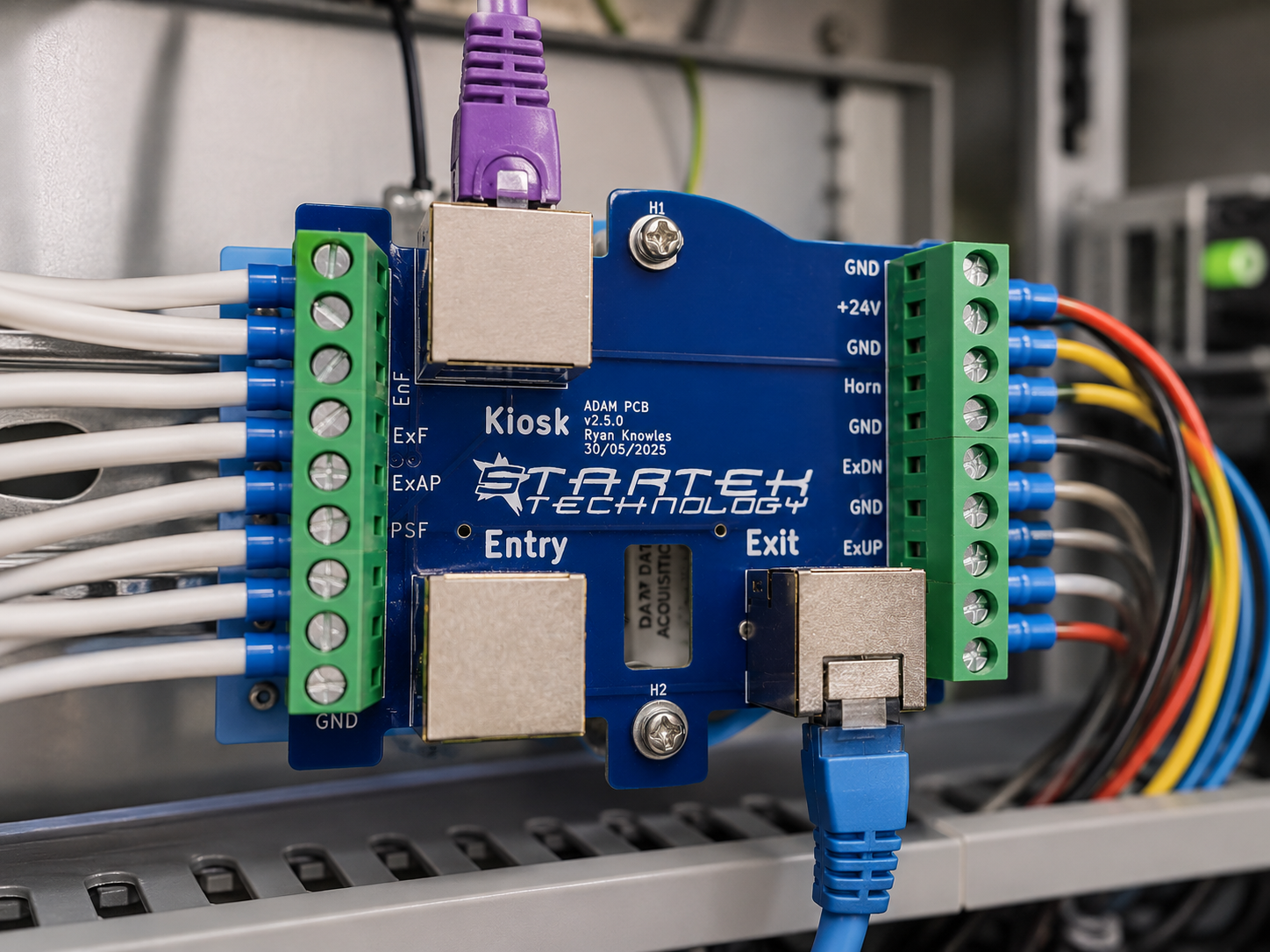
Connect controls, software and operational data
Industrial systems integration spans more than the electrical connection. The project team must agree on message formats, device roles, valid data, timeouts, restart behaviour and the response to a lost connection. Network owners also need to approve addresses, access and support arrangements for connected equipment.
The software layer may present device states, store transactions, produce reports or exchange data with another platform. Startek’s Application Development service includes operational software, portals, dashboards, APIs, reporting and workflow automation. The final functions depend on the site’s approved requirements and available source data.
Stage the build and commissioning work
A staged plan gives the team defined points for review. Startek’s published embedded-systems process covers equipment and site review, solution design, build and configuration, testing, deployment support and maintenance. An upgrade project can use those stages to separate workshop checks from site acceptance.
- Record the current equipment, settings and working behaviour.
- Approve interfaces, data flow, controls and fault responses.
- Build and test available components away from the operating site.
- Plan changeover work around access and shutdown constraints.
- Test normal operation, connection loss, restart and operator recovery.
- Hand over drawings, configuration details and support information.
The acceptance record should link each test to the upgrade brief. It should also name the person responsible for approving the result. This keeps the commissioning decision tied to agreed site behaviour instead of a general demonstration.
Prepare an automation retrofit enquiry
A first discussion works best with a short description of the operating problem, photos of the equipment and control panels, device models, available manuals, required data and any shutdown limits. Include the systems that must remain in service and the staff who use or support them.
Startek’s project portfolio covers weighbridges, industrial automation, telemetry, machine vision and custom software. Share your existing-site requirements through the contact page so the team can review the hardware, software and integration scope.