
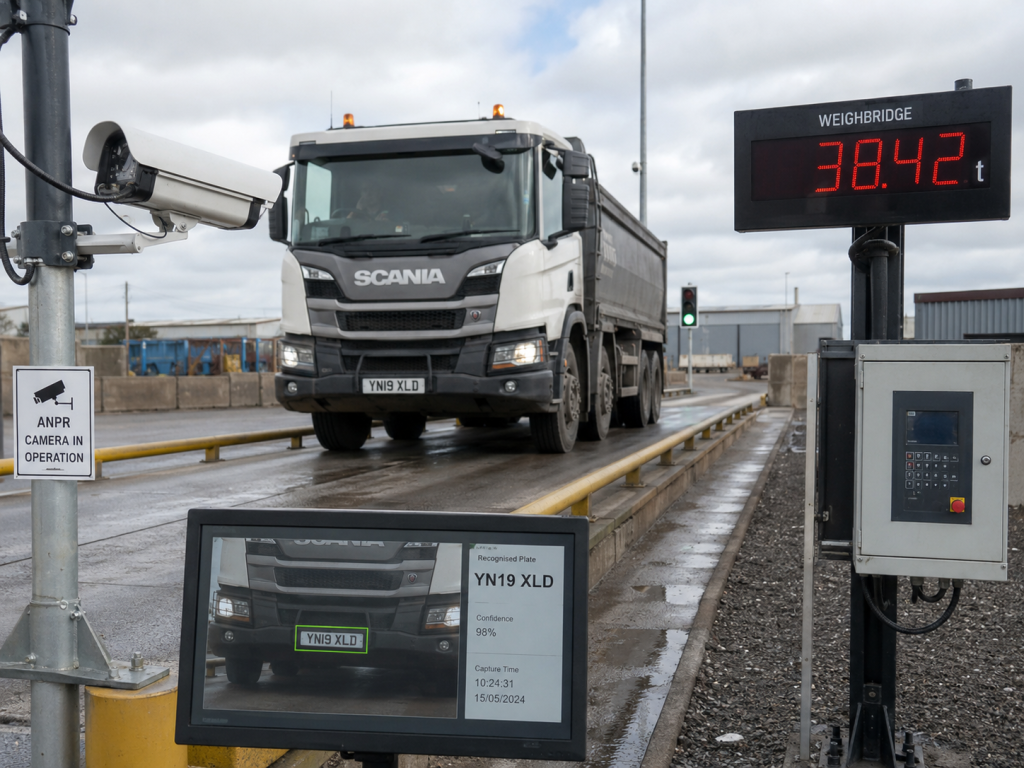
Public weighbridges often become difficult to run efficiently when routine steps still depend on an operator for every transaction. Vehicle identification, payment, ticketing, access control and record-keeping can all slow the process when they are handled separately.
Startek’s published project summary for an Automated Public Weighbridge outlines a different operating model: a 24/7 unmanned weighbridge with ANPR, online payments, remote monitoring and account management. Paired with the company’s published kiosk and weighbridge automation capabilities, that summary shows how a public weighbridge can move from operator-led steps to an integrated self-service workflow.
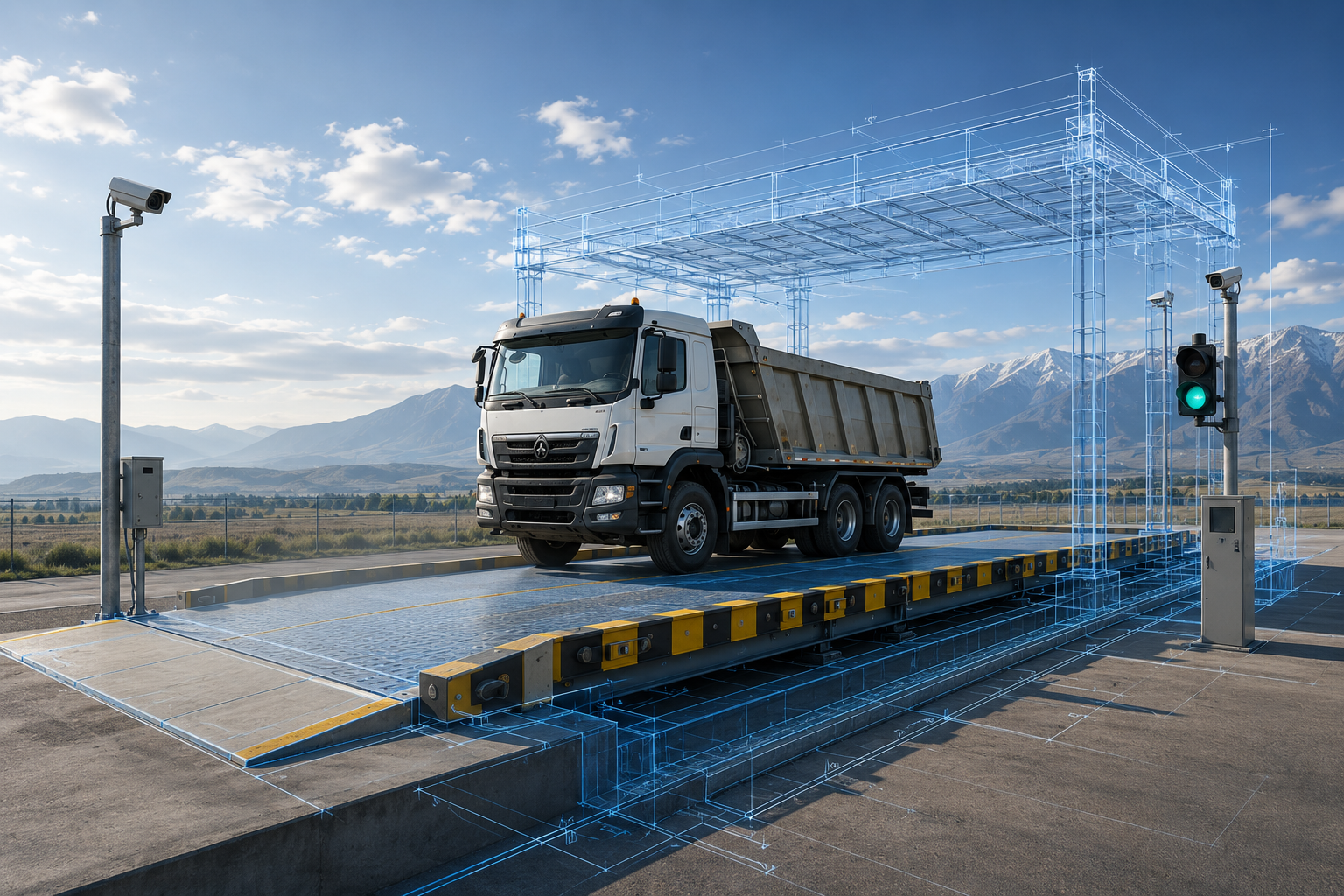
The manual steps a public weighbridge usually has to absorb
Startek’s published article on automated weighbridge systems explains the routine work that manual operations often carry: identifying the vehicle or customer, confirming the transaction type, recording the weight, accepting payment, producing a docket and managing entry or exit equipment. Even when each step is individually simple, the combined process can create delays, repeated data entry and a heavier dependence on staffed operating hours.
That matters particularly for public sites. Access may need to remain available outside standard office hours, users may include both account and casual customers, and operators still need clear records of what was weighed, when it happened and how the transaction was authorised. A public weighbridge therefore needs more than a scale readout. It needs a workflow.
What the published Startek project summary confirms
The public project listing does not disclose a customer name, site volumes or performance figures, but it does confirm the main components of the delivered operating model. Startek describes the project as a 24/7 unmanned public weighbridge with:
- ANPR for vehicle identification
- Online payments
- Remote monitoring
- Account management
Those elements are significant because they replace several of the manual touchpoints that normally depend on a person being present. Vehicle recognition no longer has to begin with a verbal check-in. Payment does not need to be handled separately from the weighing transaction. Site activity can still be observed remotely, and account-based users can be managed within the same operating model.
How the self-service workflow is brought together
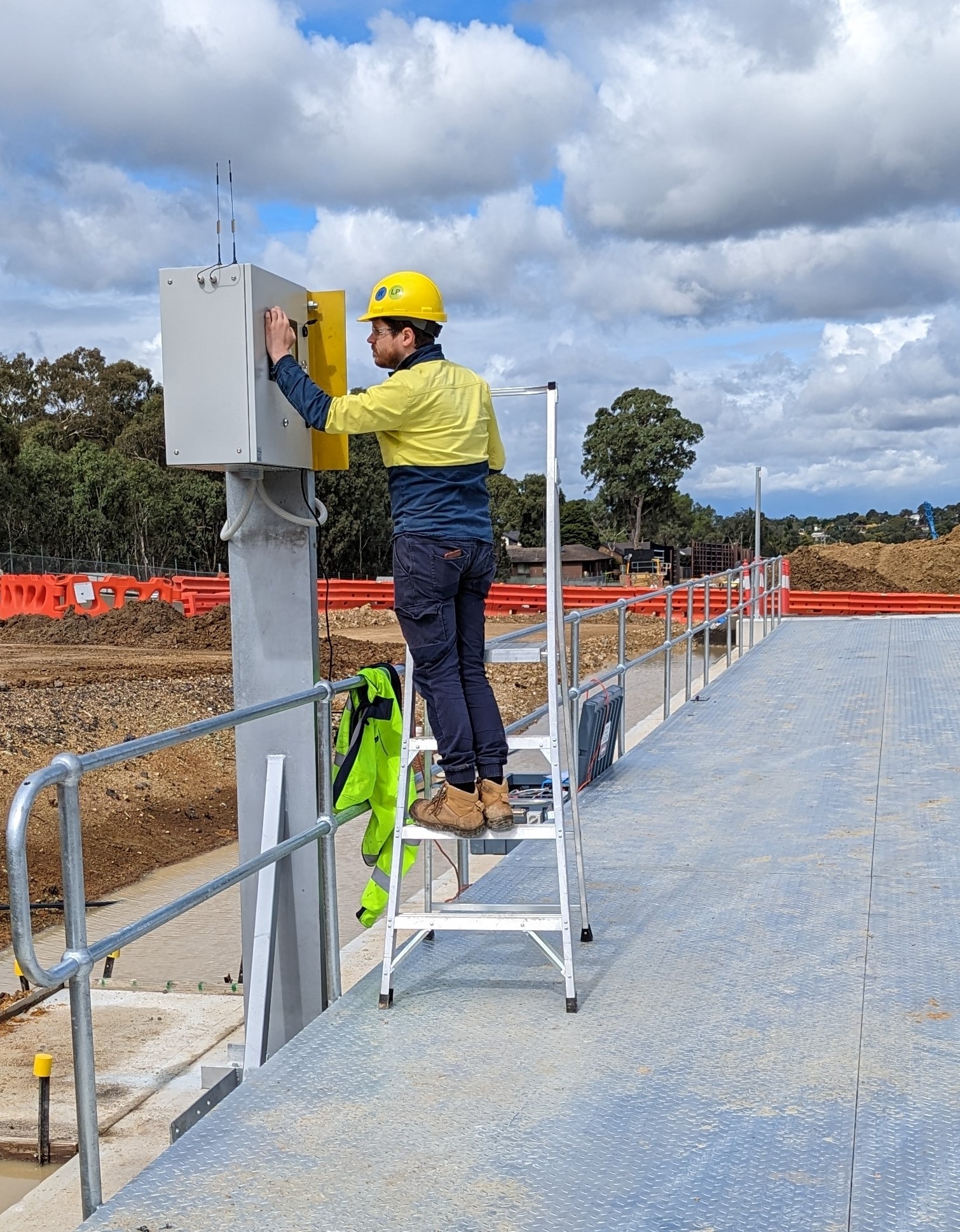
Startek’s kiosk page fills in the practical system detail behind that project summary. The company describes custom weighbridge kiosks that automate weighing, payment and access control, with compatibility across major weighing indicators. Its published capability list also includes PIN-based payments, ticket printing, RFID, iButton, QR code and customer-account identification, automatic number plate recognition, boom gate control, traffic lights, intercoms, external displays, UPS backup and remote monitoring.
Taken together, those capabilities show that the project is not simply a weighbridge with a payment terminal beside it. It is an integrated transaction path. A driver can be identified, guided through the process, weighed, charged where required, issued a ticket and released through controlled site equipment without the record needing to be rebuilt manually afterwards.
Why this model suits public weighbridge operations
Startek positions its broader weighbridge automation offering around accurate, tamper-proof transactions, reporting, data integration and real-time visibility. For public weighbridge operations, that combination is practical. Public sites often need to serve a mix of users, control traffic safely, provide transaction records immediately and keep the site usable beyond a narrow staffed window.
An integrated self-service design supports those requirements more cleanly than a manual patchwork. ANPR and account handling simplify repeat use. Online payment supports casual or one-off users. Remote monitoring helps maintain oversight when the site is unattended. Ticket printing and recorded transactions keep the operational record aligned with what happened at the scale.
Why the change is about integration, not only new hardware
Startek’s published automation article also makes an important point for upgrade planning: automating a site does not always require replacing the weighbridge itself. A project may integrate with an existing weighing indicator and add the kiosk, software, communications and peripheral equipment needed for self-service operation. That matters for public operators because the business decision is often less about buying a completely new scale and more about improving the transaction process around an existing asset.
Seen in that light, the public-weighbridge project profile is a practical example of systems integration. The value comes from how identification, payment, monitoring, reporting and access control are connected to the weighing transaction, not from any one device in isolation. That is also why the planning stage still needs attention to indicator compatibility, network availability, traffic flow and exception handling.
What this project profile does and does not show
This public case-study draft is deliberately limited to information Startek has already published. It shows the operating model and the integrated components behind it, but it does not claim measured throughput gains, labour savings, revenue uplift, compliance outcomes or customer testimony because those details are not publicly verified on the site.
What it does show clearly is the shift from separate manual steps to a coordinated self-service system: vehicle identification, payment, monitoring, account handling and weighbridge control working together in one public-facing workflow. For councils, recycling facilities, quarries or other operators reviewing a public weighbridge upgrade, that is the practical lesson from Startek’s published material.